Indonesia
 English
 Arabic
 French
 Spanish
 Portuguese
 Deutsch
 Turkish
 Dutch
Dutch
 Italiano
 Russian
 Romaian
 Portuguese (Brazil)
 Greek
Greek

Download Book Revenge Served Royal (Lady Petra Inquires #3) by Celeste Connally
Art |
2025-11-08 03:36:13
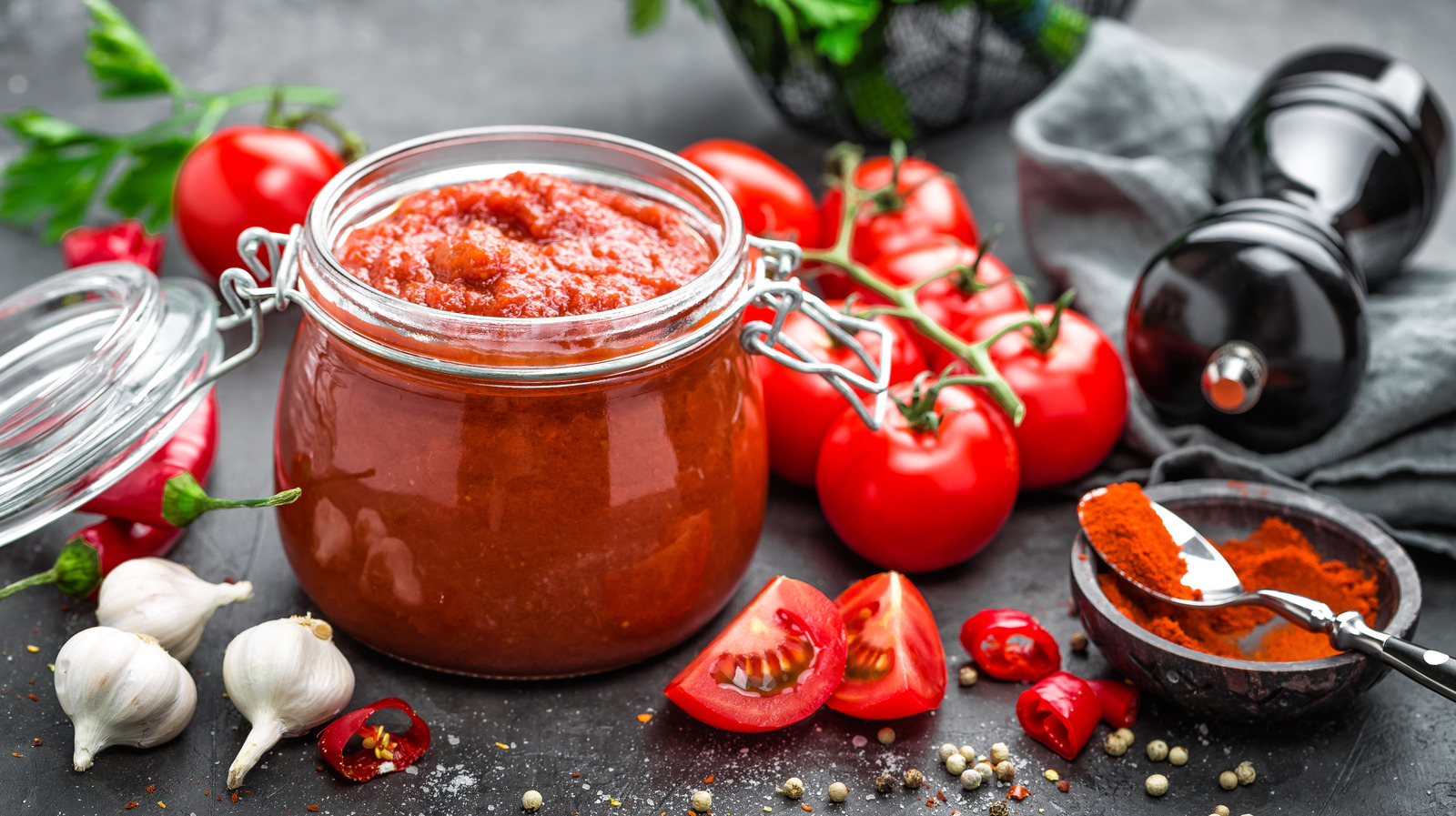
Tomato-based products have long been celebrated for their rich flavor and remarkable health benefits, yet few ingredients are as concentrated, versatile, and nutrient-dense as tomato paste. From enriching sauces to boosting marinades, this humble pantry staple delivers extraordinary nutritional value in a small spoonful. Packed with antioxidants, vitamins, and minerals, it offers a simple way to elevate both taste and wellness through everyday cooking.
Tomato paste is made by cooking tomatoes for long periods to evaporate water and intensify natural flavors. After straining out skins and seeds, the remaining pulp is cooked down further into a thick, rich concentrate. This slow-reduction process enhances not only the depth of flavor but also the concentration of nutrients. As a result, tomato paste contains higher levels of beneficial compounds compared to fresh tomatoes in the same serving size.
Lycopene is a powerful antioxidant responsible for the vibrant red color of tomatoes. Researchers have linked lycopene intake to numerous health benefits, including improved heart health, reduced cancer risk, and better skin protection against UV damage. Since lycopene becomes more bioavailable when tomatoes are cooked, tomato paste provides one of the highest natural concentrations of this antioxidant. A single tablespoon can deliver more lycopene than an entire fresh tomato, making it an efficient way to boost overall antioxidant intake.
Cardiovascular health is one of the most researched areas in relation to tomato-based products. Antioxidants found in tomato paste, particularly lycopene, help reduce oxidative stress that can damage blood vessels. Many studies suggest that consistent consumption may support lower LDL cholesterol, enhanced blood vessel function, and reduced inflammation. These combined effects promote a healthier circulatory system and contribute to long-term heart protection.
Beyond antioxidant power, tomato paste is rich in essential vitamins and minerals. It contains notable amounts of vitamins A, C, and K, all of which support immune function, vision, and bone health. B vitamins such as B6 and folate aid in metabolism and energy production. Minerals like potassium help regulate blood pressure and fluid balance. Even in small servings, these nutrients accumulate to provide meaningful contributions to daily dietary needs.
Vitamin A in tomato paste plays an important role in maintaining healthy vision and preventing age-related eye issues. Lycopene and vitamin C also work together to protect skin from environmental stressors. Many skincare experts highlight the antioxidant properties of lycopene in combating wrinkles, promoting collagen production, and enhancing overall skin texture. Incorporating tomato paste into meals regularly can support these benefits from within.
Tomatoes are naturally high in vitamin C, and the concentration process intensifies this nutrient in paste form. Vitamin C supports a strong immune system, aids in iron absorption, and accelerates healing. With colds and seasonal illnesses common throughout the year, tomato paste offers a flavorful way to strengthen the body’s defenses.
Flavorful meals do not always need to be heavy in calories. Tomato paste adds robust depth to soups, stews, pasta sauces, and curries while keeping dishes light. It creates richness without excessive fat or sugar, making it ideal for those aiming to maintain balanced nutrition. Even a teaspoon enhances savory dishes with umami complexity, helping elevate the overall flavor profile.
Simplicity and versatility make tomato paste an essential ingredient in both home and professional kitchens. Its thick consistency and concentrated flavor allow it to serve as a base for countless recipes:
Pasta sauces gain body and richness with just a small amount.
Stews and soups become heartier and more aromatic.
Marinades benefit from its natural acidity, helping tenderize meats and vegetables.
Homemade pizza sauces achieve classic Italian flavor with minimal effort.
Curries and rice dishes acquire color and depth that complement spices beautifully.
Because tomato paste stores well and has a long shelf life, it is a convenient ingredient to keep on hand for quick meal enhancement.
Quality varies widely between brands, so checking labels is important. Look for varieties with minimal additives—ideally just tomatoes and perhaps a pinch of salt. Some commercial versions contain added sugars or preservatives that reduce nutritional value. Organic options often contain higher lycopene levels due to differences in farming practices. If possible, opt for products packed in glass jars or BPA-free packaging to avoid chemical contamination.
Preparing tomato paste at home can be time-intensive, yet the results are exceptionally fresh and flavorful. Homemade versions allow control over salt levels and ensure a completely additive-free product. Slow-roasting tomatoes before reducing them enhances natural sweetness and results in a deep, complex flavor unmatched by many store-bought varieties. For those who enjoy cooking from scratch, creating a homemade batch during tomato season can provide months of nutrient-rich goodness.
Across global cuisines, tomato paste is valued for its ability to tie flavors together. Italian, Middle Eastern, Mediterranean, and Latin American dishes often rely on this ingredient for foundational flavor. From shakshuka to Bolognese, many iconic dishes owe their richness to the addition of tomato paste. Its adaptability allows it to complement herbs, spices, meats, and vegetables from diverse culinary traditions.
Tomato paste can also reduce food waste. Because it remains usable for extended periods when refrigerated or frozen, it helps minimize spoilage. Buying tomato paste is cost-effective as well; a small can or tube can enhance multiple dishes, making it an economical way to boost nutrition and flavor. In regions where fresh tomatoes are seasonal or expensive, paste provides a reliable year-round alternative.
Simple adjustments can make it easy to use tomato paste regularly:
Stir a spoonful into vegetable soups for instant depth.
Add it to lentil dishes for added richness and color.
Mix it with olive oil and garlic to create a quick pasta base.
Boost homemade dips with a small amount for tang and complexity.
Use it as part of a healthy sauce for roasted vegetables or grains.
These small additions create big improvements in both taste and nutrition.
Tomato paste stands as a nutritional powerhouse disguised as a simple kitchen staple. Concentrated antioxidants, essential vitamins, and a wealth of minerals make it more than just a flavor enhancer it becomes a meaningful contributor to daily wellness. Whether used in traditional recipes or creative new dishes, tomato paste offers an easy and delicious path toward healthier eating. Rich, versatile, and deeply nourishing, it deserves a constant place in every kitchen.