Indonesia
 English
 Arabic
 French
 Spanish
 Portuguese
 Deutsch
 Turkish
 Dutch
Dutch
 Italiano
 Russian
 Romaian
 Portuguese (Brazil)
 Greek
Greek

PDF [Download] LOVE - Arco Wada Fate Art Works by Type-Moon, Arco Wada
Theater |
2026-01-04 23:17:47
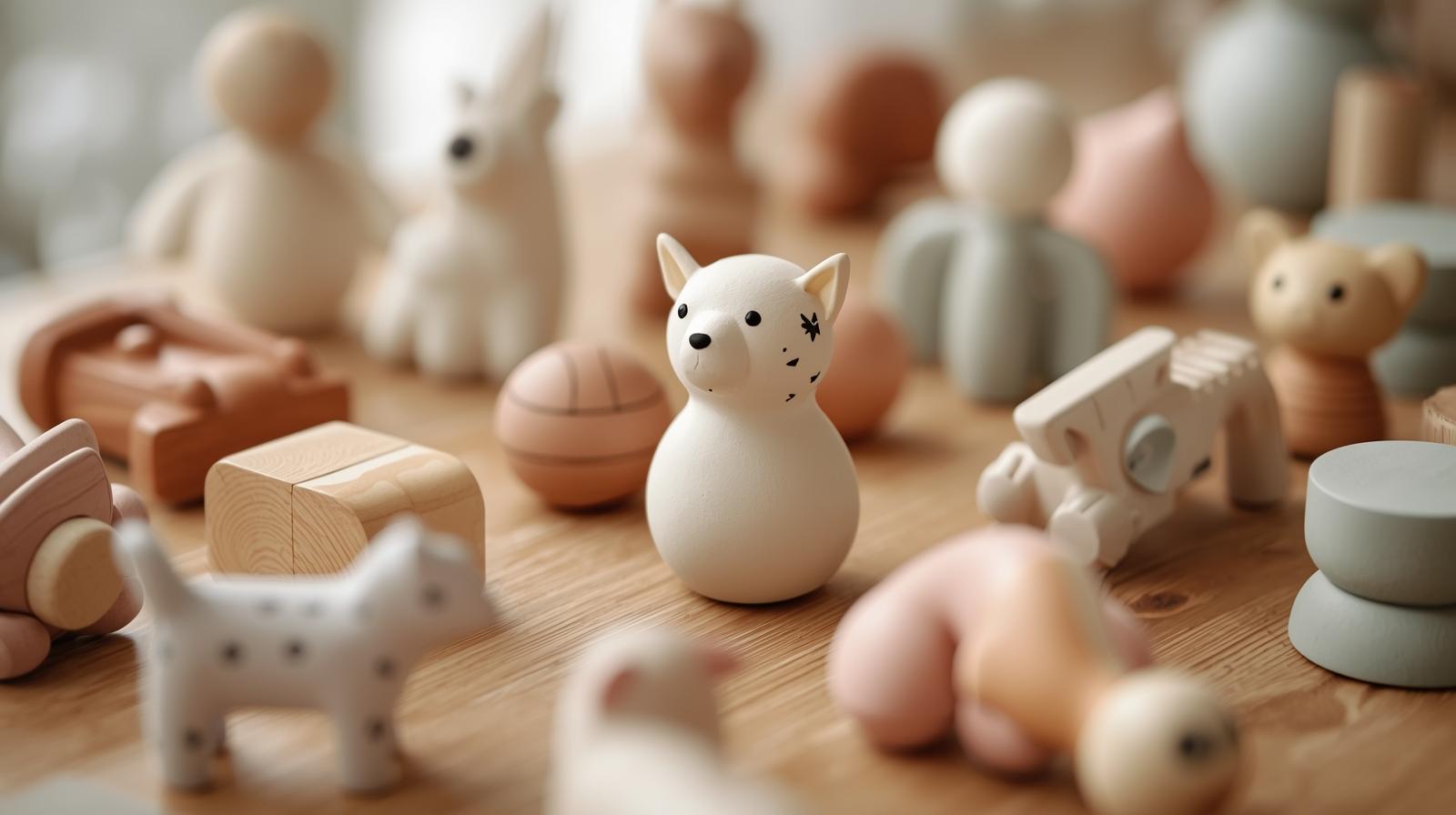
Maintaining a clean and organized toy food collection is essential for hygiene, longevity, and enjoyable play experiences. Since children frequently put toy food in their mouths during pretend eating and these toys often end up on floors or mixed with actual food, regular cleaning becomes crucial for health and safety. Proper storage prevents loss, damage, and clutter while making toy food easily accessible for play. At MyToyWagon, we understand that busy parents need practical strategies for managing toy food that fit into real family routines without consuming excessive time or energy.
Establishing a simple daily maintenance routine keeps toy food hygienic without overwhelming effort. After each play session, quickly wipe down plastic toy food with baby-safe disinfectant wipes, paying special attention to pieces that were mouthed or dropped on the floor. For wooden toy food, use a slightly damp cloth to remove visible dirt, avoiding excess moisture that could damage the wood. Fabric toy food pieces can be spot cleaned with gentle soap and water for any visible stains. Create a designated cleaning station near your main play area with a small basket of cleaning supplies including wipes, a spray bottle with diluted vinegar solution, and clean cloths. Involving children in this quick cleanup teaches responsibility and makes tidying a natural part of playtime. Even young children can help wipe toy food and place cleaned pieces in storage containers.
Once weekly, give your entire toy food collection a thorough deep clean to eliminate accumulated germs and grime. For plastic toy food, fill a sink or large basin with warm soapy water and let pieces soak for ten to fifteen minutes before scrubbing with a soft brush. Rinse thoroughly and air dry completely on clean towels. Many plastic toy food items are dishwasher safe and can be placed on the top rack for convenient cleaning. Wooden toy food requires gentler treatment. Wipe each piece individually with a cloth dampened with mild soap solution, then immediately dry with a clean towel to prevent water damage. Never submerge wooden toy food in water or put it in the dishwasher. For fabric or plush toy food, machine wash in hot water using fragrance-free detergent. Place small pieces in mesh laundry bags to prevent loss and protect delicate components. Air dry or tumble dry on low heat depending on the manufacturer's instructions.
When children are sick, toy food they've played with should be sanitized to prevent reinfection or spreading germs to family members. Create a sanitizing solution by mixing one tablespoon of unscented bleach with one gallon of water. Soak non-porous plastic toy food for five minutes, then rinse extremely thoroughly with clean water and air dry completely. For items that cannot tolerate bleach, boiling water provides effective sanitization for heat-resistant materials. Steam cleaning offers a chemical-free alternative that kills germs without harsh substances. Wooden toy food can be wiped with rubbing alcohol and dried immediately. Fabric pieces should be washed in the hottest water they can tolerate. Consider temporarily rotating toy food during illness, keeping recently used items separate until they can be properly sanitized.
Effective storage keeps toy food organized, accessible, and in good condition. Clear plastic bins with lids allow children to see contents while protecting items from dust and pets. Label containers by category such as fruits, vegetables, meals, or desserts, teaching organization skills while making cleanup easier. Open baskets work well for older children who can manage sorting independently. Utilize vertical space with shelving units or hanging organizers to maximize storage in small areas. Keep play kitchen accessories like plates and utensils stored separately from food items for easier access. Rotate toy food seasonally, storing some sets away to maintain novelty and prevent overwhelming clutter.
Regular inspection during cleaning helps identify damaged toy food that should be repaired or discarded. Check for cracks in plastic, splinters in wood, tears in fabric, or weakened velcro that could pose safety risks. At MyToyWagon, we provide durable toy food designed to withstand regular cleaning and years of play, ensuring your investment remains clean, safe, and ready for countless pretend meals.