Indonesia
 English
 Arabic
 French
 Spanish
 Portuguese
 Deutsch
 Turkish
 Dutch
Dutch
 Italiano
 Russian
 Romaian
 Portuguese (Brazil)
 Greek
Greek

(PDF) Book READ The Elements of Computing Systems: Building a Modern Computer from First Principles by Noam Nisan
Art |
2025-10-01 12:06:33
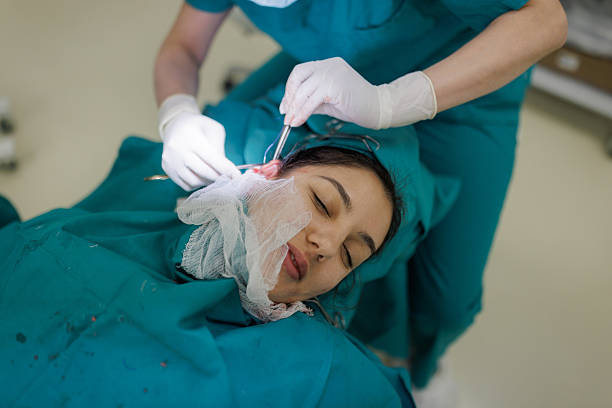
The “polypectomy” operation in children is medically called adenoidectomy. Currently, there are two types of surgical intervention: classical or endoscopic, and anesthesia must always be general. The classic intervention lasts 15–30 minutes and involves removing the lymphoid tissue through the mouth with a curette, a cutting instrument specially designed for this maneuver. Adenoid removal is often performed “blindly,” without proper visualization of the surgical field, which means the surgeon cannot fully see what they are doing. Instead, the operator relies on digital control (using their finger) at the end of the procedure to check the implantation area of the vegetations and any remaining tissue. This traditional method makes it difficult to access certain regions of the nasopharynx, and as a result, small residual lymphoid follicles often remain, which may later cause the recurrence of adenoid vegetations.
Endoscopic intervention lasts, on average, 30-45 minutes and involves the use of a video camera inserted through the nose and the visualization of the surgical field in this way, which makes the intervention safe, precise, and correct. In this way, all lymphoid follicles can be removed, including the lateral ones, regardless of their size. This modern method allows the use of high-performance equipment for the ablation of pathological tissue, the most useful of which is the shaver (microdebrider), a turbine that simultaneously aspirates and resects polyps with 5,000 - 7,000 rotations per minute.
In addition to the shaver, we use radiofrequency, coblation, argon-plasma, and modern technologies of the 21st century. The operation is visualized on a large video monitor, with the surgical field magnified several hundred times, thus making it possible to safely approach all delicate areas and significantly reduce intraoperative complications. Hemostasis at the end of the operation is perfect, and the risks of postoperative complications also decrease significantly.
Transnasal endoscopic intervention in children is the most modern method for adenoidectomy, but it requires expensive, high-performance equipment, as well as an experienced surgeon in transnasal endoscopic surgery. All of this resection equipment, in unskilled hands, can become aggressive instruments and pose a high risk to the patient.
When necessary, the operation can be performed in any season. If it can be postponed, it is recommended that adenoidectomy be performed in spring or early summer, and a few weeks/months postoperatively, the patient is advised to go to the sea. The saline environment and marine aerosols are indicated for post-adenoidectomy patients.
In most cases, children recover between 7 and 10 days after surgery. There are cases where recovery is faster, while some children may need up to two weeks for full recovery.
The following information is important postoperatively:
A low-grade fever may occur the night after surgery and for a day or two afterward. A temperature below 100⁰F (38⁰C) may be considered normal for the first 2 days.
Except for small streaks of blood from the nose or in the saliva, bright red blood should not appear.
Almost all children who undergo adenoidectomy will experience a mild sore throat after the Surgery. Some may complain of ear pain (otalgia) in the first 48 hours after surgery.
The most important observation useful for recovery is that the patient drinks plenty of fluids. Two hours after the intervention, children can receive water or apple juice. In the first 24 hours after the intervention, nausea and vomiting may occur. These disappear on their own with the effects of anesthesia.
There are generally no dietary restrictions after surgery, but some doctors recommend a soft diet during recovery. The sooner your child eats and drinks fluids, the faster they will recover.
Resumption of activities is gradual, with return to school after eating and drinking are normal, when medication is no longer required, and once the child has had a full night's rest. Traveling by plane or car over long distances is not recommended for two weeks after the procedure.
The most common complication is bleeding intraoperatively or in the first hours postoperatively. This usually stops with the administration of local or general vasoconstrictor drugs, but sometimes a re-intervention in the operating room may be necessary to restore hemostasis.
Lately, the most common "complication" is relapse, but as mentioned above, from our point of view, this is due to the remaining tissue remaining postoperatively. An adenoidectomy performed correctly endoscopically will not generate these late complications.
Adenoidectomy is a safe and effective procedure that can significantly improve a child’s breathing, sleep quality, and overall health. With the advancement of endoscopic techniques and modern surgical tools, adenoid removal today is far more precise, less invasive, and associated with fewer complications. Consulting an experienced ENT specialist and understanding the procedure, recovery steps, and potential risks helps parents feel more confident in making the right decision for their child’s well-being.